Holter Monitor in Knoxville, TN | Advanced Cardiac Monitoring & Heart Monitor Testing
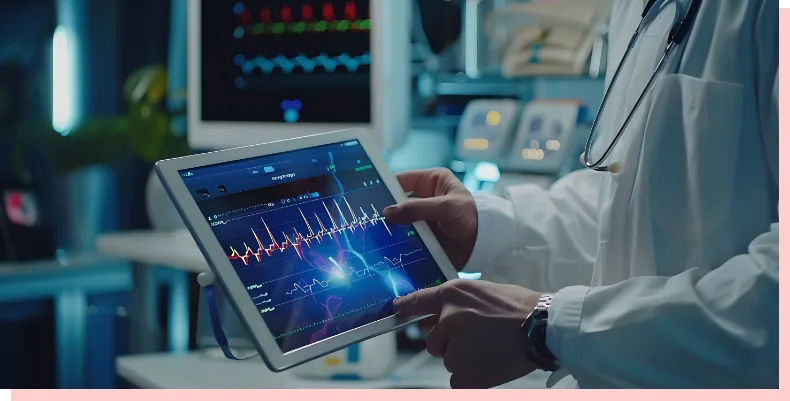
Our experienced cardiologists offer Holter Monitor in Knoxville, TN services, providing comprehensive holter monitor testing with advanced ECG holter monitor technology and expert analysis designed to accurately diagnose heart rhythm disorders, evaluate cardiac symptoms, and optimize heart health management.
Comprehensive Holter Monitoring at Neuro Heart and Vascular Clinic
Our holter monitoring specialists in Knoxville, TN offer advanced cardiac diagnostic services in one convenient location. Our board-certified cardiologists provide individualized holter monitor testing protocols combining state-of-the-art cardiac holter monitor equipment, expert interpretation, and comprehensive treatment planning.
From initial heart rhythm evaluation to medication adjustment and arrhythmia management, our specialized approach ensures accurate assessment with streamlined access to expert cardiac care. Our commitment to thorough evaluation and personalized holter monitoring helps patients achieve accurate diagnoses and optimal treatment outcomes.
Cardiac Conditions We Evaluate with Holter Monitor Testing
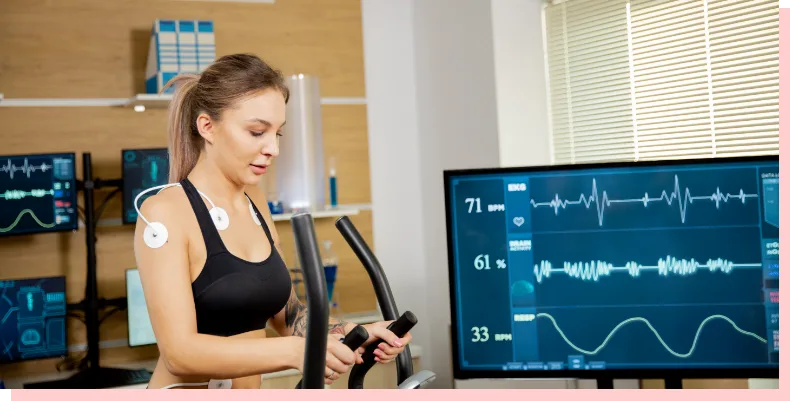
Our holter monitoring clinic in Knoxville utilizes holter heart monitor technology to evaluate the full spectrum of cardiac rhythm disorders and conditions requiring extended heart monitoring. We understand that each patient’s cardiac condition is unique and requires individualized monitoring and interpretation.
Conditions we evaluate and diagnose:
Arrhythmias and Heart Rhythm Disorders: Comprehensive holter ECG monitoring to identify irregular heartbeats, atrial fibrillation, premature ventricular contractions, and other rhythm abnormalities
Palpitations: Extended cardiac monitoring to capture and characterize episodes of rapid, fluttering, or irregular heartbeat sensations
Unexplained Dizziness or Syncope: Holter monitor for heart rate evaluation during episodes of lightheadedness or fainting to identify potential cardiac causes
Chest Pain or Discomfort: Assessment of heart rhythm and rate during chest pain episodes to rule out arrhythmic causes
Post-Heart Attack Monitoring: Holter monitor heart rate tracking following myocardial infarction to detect new or recurring arrhythmias
Medication Effectiveness Evaluation: Extended monitoring to assess how well heart rhythm medications are controlling arrhythmias
Presurgical Cardiac Assessment: Pre-operative evaluation of heart rhythm patterns to identify potential surgical risks
Shortness of Breath: Correlation of breathing difficulties with heart rate and rhythm abnormalities
Our comprehensive holter monitor testing in Knoxville focuses on capturing critical cardiac data during extended recording periods to ensure accurate diagnosis and optimal treatment strategies for heart conditions.
Why Choose Neuro Heart and Vascular Clinic for Holter Monitor Testing?
Our holter monitor specialists in Knoxville, TN provide several advantages that enhance both your diagnostic experience and clinical outcomes:
Advanced Holter Monitor Technology
Our facility utilizes state-of-the-art types of holter monitors including digital recording devices with high-resolution ECG capture and extended battery life for reliable continuous monitoring.
Flexible Monitoring Duration Options
We offer various holter monitoring test durations including 24-hour, 48 hour holter monitor, and extended multi-day protocols to maximize the likelihood of capturing relevant cardiac events.
Board-Certified Cardiac Expertise
Our team consists of experienced, board-certified cardiologists with specialized training in electrophysiology and arrhythmia management who personally review and interpret all holter monitor results.
Same-Day Holter Monitor Setup
Quick scheduling and immediate device placement allows you to begin monitoring without delay, ensuring timely diagnosis of cardiac symptoms.
Comfortable and Discreet Monitoring
Modern holter cardiac monitor devices are lightweight, portable, and designed to be worn comfortably under clothing during normal daily activities.
Comprehensive Symptom Correlation
Detailed event diary analysis correlates your symptoms with recorded heart rhythm data for accurate diagnosis.
Rapid Results Interpretation
Efficient holter monitoring test analysis and communication of findings to ensure timely treatment decisions and peace of mind.
Integrated Cardiac Care
Holter monitor results are seamlessly integrated into comprehensive cardiac treatment plans with immediate access to interventional cardiology when needed.
Advanced Holter Monitor Knoxville TN Diagnostics and Treatment Planning
Our cardiology clinic in Knoxville, TN provides comprehensive holter monitor testing services using advanced cardiac monitoring technology and expert interpretation to guide evidence-based treatment decisions.
Holter Monitor Testing Options:
24-Hour Holter Monitor: Standard continuous ECG recording over one full day to capture routine heart rhythm patterns and common arrhythmias
48 Hour Holter Monitor: Extended two-day monitoring period to increase detection of intermittent cardiac events
Extended Holter Monitoring: Multi-day recording protocols for patients with infrequent symptoms requiring longer observation periods
Event-Triggered Recording: Advanced holter monitor for heart monitoring with patient-activated markers to highlight symptomatic episodes
Comprehensive Cardiac Analysis:
Heart Rhythm Assessment: Detailed evaluation of heart rate patterns, rhythm regularity, and identification of any arrhythmias throughout the monitoring period
Heart Rate Variability Analysis: Assessment of heart rate changes during activities, sleep, and rest periods
Arrhythmia Detection and Classification: Identification and categorization of abnormal heart rhythms including atrial fibrillation, ventricular tachycardia, and bradycardia
ST Segment Analysis: Evaluation for evidence of cardiac ischemia or reduced blood flow to the heart muscle
QT Interval Measurement: Assessment of electrical recovery time that may indicate risk for dangerous arrhythmias
Specialized Diagnostic Protocols:
Symptom-Event Correlation: Precise matching of patient-reported symptoms with simultaneous heart rhythm data from the holter heart monitor
Medication Efficacy Monitoring: Holter ECG monitoring to evaluate how well antiarrhythmic medications are controlling heart rhythm disorders
Pacemaker Function Assessment: Evaluation of pacemaker performance and appropriate pacing activity
Pre-Ablation Evaluation: Baseline rhythm documentation before catheter ablation procedures for arrhythmia treatment
Post-Holter Monitor Treatment Strategies:
Arrhythmia Medication Management: Evidence-based selection and adjustment of antiarrhythmic medications based on holter monitor results
Anticoagulation Therapy: Initiation of blood thinners for patients with atrial fibrillation or other arrhythmias that increase stroke risk
Cardiac Rhythm Control: Comprehensive strategies including rate control and rhythm control approaches tailored to specific arrhythmia types
Risk Stratification: Assessment of arrhythmia severity and associated cardiac risks to guide treatment intensity
Comprehensive Care Coordination:
Electrophysiology Referrals: Coordination with cardiac electrophysiologists for advanced interventions such as catheter ablation or device implantation when indicated
Structural Heart Evaluation: Arrangement for echocardiography or other cardiac imaging when holter monitor findings suggest underlying structural heart disease
Primary Care Communication: Detailed reporting of holter monitoring test results to referring physicians with specific treatment recommendations
Patient Education: Thorough explanation of holter monitor results, cardiac diagnosis, and treatment options
Advanced Interventional Options:
Catheter Ablation Coordination: Referral for definitive arrhythmia treatment when appropriate based on holter cardiac monitor findings
Pacemaker or Defibrillator Evaluation: Assessment for cardiac device implantation in patients with high-risk arrhythmias
Cardioversion Planning: Scheduling of electrical cardioversion procedures for persistent arrhythmias when indicated
Lifestyle and Cardiac Health Optimization:
Trigger Identification: Analysis of holter monitor for heart rate patterns to identify activities or factors that provoke arrhythmias
Exercise and Activity Guidance: Personalized recommendations for safe physical activity based on heart rhythm findings
Dietary and Lifestyle Counseling: Guidance on caffeine, alcohol, stress management, and other factors affecting heart rhythm
Sleep Disorder Screening: Evaluation for sleep apnea and other conditions that may contribute to cardiac arrhythmias
All holter monitor testing protocols and treatment recommendations are individualized based on comprehensive evaluation, specific cardiac findings, and patient-specific factors.
Meet Our Holter Monitor Specialists in Knoxville, TN

Dr. Yasir Akhtar,
- MD
- Board-certified Cardiologist
Dr. Akhtar is a board-certified cardiologist and co-founder of Neuro Heart Clinic, specializing in advanced cardiac and vascular care. With his expertise, he ensures your carotid ultrasound results are thoroughly analyzed for accurate stroke risk assessment.

Amy Greene,
- NP
- Nurse Practitioner, Cardiology
Amy Greene brings over 20 years of experience in cardiac and vascular care, providing compassionate and detailed evaluations of your stroke risk test results.
Our team maintains current certification in cardiac monitoring and arrhythmia management protocols and stays updated with the latest advances in holter monitor technology and heart rhythm disorders through continuing education and professional development.
FAQs For Holter Monitor in Knoxville TN
Do I need a referral for a holter monitor test?
No referral is necessary. You can contact our holter monitoring clinic directly to schedule your cardiac evaluation, though many patients are referred by their primary care physician or cardiologist for specialized heart rhythm assessment.
How does a holter monitor work?
A holter monitor is a portable ECG device that continuously records your heart’s electrical activity. Small electrode patches are placed on your chest and connected to a lightweight recording device that you wear for the monitoring period. The holter heart monitor captures every heartbeat, allowing your cardiologist to identify rhythm abnormalities that may occur during your normal daily activities.
What should I expect during holter monitoring?
The holter monitor setup takes approximately 15-20 minutes. Small electrodes are attached to your chest, and the recording device is typically worn on a belt or strap. You’ll be asked to keep a symptom diary noting any palpitations, dizziness, chest pain, or other symptoms along with the time they occur. You can continue most normal activities but should avoid getting the device wet. After the monitoring period, you return the device and our cardiologists analyze the recorded data.
How long does it take to get holter monitor results?
Most holter monitor results are available within 3-5 business days after you return the device. Your cardiologist will review the complete recording, correlate findings with your symptom diary, and contact you to discuss the results and any recommended treatment steps.
What heart conditions can a Holter monitor detect?
Holter monitoring is one of the most effective tools for detecting cardiac conditions that occur intermittently and would never show up on a brief in-office EKG. At Neuro Heart and Vascular Clinic, we use Holter monitoring to evaluate atrial fibrillation (AFib), atrial flutter, supraventricular tachycardia (SVT), unexplained palpitations, heart rate variability disorders, syncope (fainting) and near-fainting episodes, irregular or skipped heartbeats, and reduced blood flow that may indicate a coronary artery blockage. We also use it to assess whether your current heart medication is working as intended — and whether your treatment plan needs to be adjusted.
My EKG came back normal but I still have symptoms. Can a Holter monitor find what's wrong?
Yes — and this is precisely what Holter monitoring is designed for. Many serious cardiac arrhythmias are episodic, meaning they only occur during specific activities, at certain times of day, or in response to stress, exercise, or sleep. A standard EKG captures only a few seconds of heart data; it simply cannot detect what it isn’t present for. A Holter monitor records continuously across an entire 24–48 hour period, capturing arrhythmias during meals, physical activity, sleep, and emotional stress. If you’ve had a normal EKG but continue experiencing palpitations, dizziness, shortness of breath, or chest discomfort, a Holter monitor is the clinically recommended next step.
What happens when I come in for a Holter monitor setup? How long does it take?
The setup appointment is quick and straightforward — typically completed the same day. A technician will clean the skin on your chest and attach small electrode pads. Wires connect these pads to the Holter monitor device, which is about the size of a small phone and worn on a strap or clipped to your waist. The entire setup takes around 15 minutes. You will also receive a symptom diary to fill in during the monitoring period — logging activities, sleep, meals, and any symptoms you notice. After 24 or 48 hours, you return the device to our clinic, and our board-certified cardiologists interpret the full recording.
How long does it take to get Holter monitor results?
Once you return the device to our clinic, your recording is analyzed by our board-certified cardiologists. Results are typically available and reviewed with you within a few business days. Because a 24–48 hour Holter recording contains an enormous amount of cardiac data, thorough interpretation takes time — but we prioritize turnaround so that your diagnosis and care plan are not delayed. If the recording reveals anything that requires urgent attention, we will contact you promptly rather than waiting for a routine follow-up.
Do I need a referral for Holter monitor testing in Knoxville, TN?
Referral requirements depend on your insurance plan. Many plans cover Holter monitoring when it is medically necessary, though some require prior authorization or a referral from a primary care physician. The simplest step is to call Neuro Heart and Vascular Clinic directly — our team will help you confirm your insurance requirements, verify your coverage, and get your appointment scheduled as efficiently as possible. We serve patients across Knoxville and the surrounding areas of East Tennessee.
Do I need to stop taking my heart medications before the test?
In most cases, no — continue taking all medications as prescribed unless your cardiologist has given you specific instructions otherwise. In fact, one of the most valuable uses of Holter monitoring is to evaluate how well your current medications are controlling your heart rhythm or rate. Stopping medications before the test would prevent your doctor from getting an accurate picture of how your heart is responding to treatment. If there is any uncertainty about your medications, call our clinic before your appointment and we will confirm what applies to your situation.
Schedule Your Holter Monitor Test Today
Take control of your heart health with experienced holter monitoring specialists in Knoxville, TN. At Neuro Heart and Vascular Clinic, we’re committed to providing comprehensive, accurate cardiac diagnostics with convenient access and personalized monitoring approaches.
Contact us today to schedule your consultation and learn more about our comprehensive holter monitor testing services.